

What Is Photodamage?

What Is Photodamage?

Skin is our largest and most visible organ. Therefore, your skin complexion is the first noticeable thing. Skin complexion mainly depends on melanin, the skin pigment. Melanin is produced by melanocyte cells to protect the skin from damaging effects of ultraviolet (UV) rays. Excess of sun exposure negatively affects the skin complexion and health because UV radiation causes oxidative stress in the skin cells. From an aesthetic perspective, oxidative stress is responsible for fine lines and wrinkles, dull skin, skin laxity, and undesired pigmentation. Furthermore, accumulated sun damage (photodamage) can harm your health. It can cause pre-cancerous lesions and the most deadly skin disease, Melanoma

How Does the Skin Develop Pigment?

In fact, sunlight stimulates melanin production. More than half of the sun energy is presented by infrared radiation. Infrared radiation penetrates the skin deeper than UV-B and UV-A rays and generates reactive oxygen in the dermal layer, a type of unstable molecule that contains oxygen. Reactive oxygen easily reacts with other molecules in a cell. National Cancer Institute reports that a build up of free radicals or reactive oxygen species in cells may cause damage to lipids, DNA, RNA, and proteins, and may cause cell death. Reactive oxygen stimulates melanin production by the melanocytes through a series of chemical reactions. Then, the melanosomes, containing melanin, migrate to the top skin layer, the epidermis, and pass melanin to keratinocytes. When keratinocytes acquire the melanin, the changes become visible on the skin in a form of pigmentation. It is important to remember that the photodamage occurs much earlier than the skin pigmentation.

How Does Photodamage Affect the Skin ?

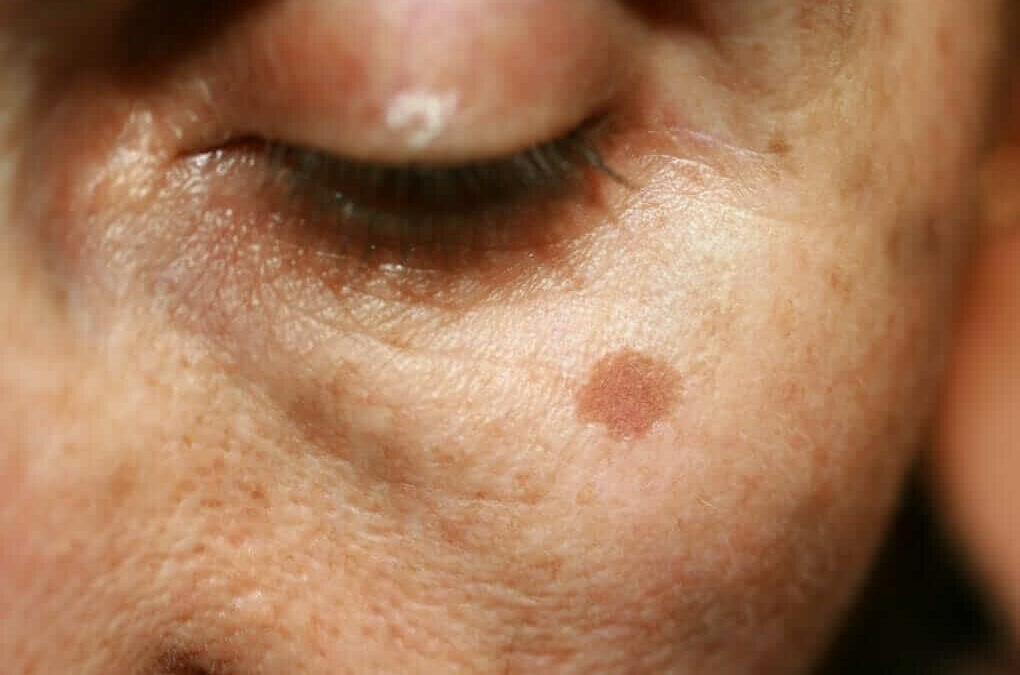
Often, persistent exposure to the sunlight leads to the over production of melanin by some melanocytes. As a result, individuals develop a localized pigmentation in a form of “age spots” or “brown spots”. These spots make the skin looking aged. In addition to undesired pigmentation, photodamage leads to the collapse of fibroblasts and reduction of collagen and elastin production (solar elastosis). These dermal structural changes make the skin surface irregular and the light reflection uneven. Therefore, the skin develops a dull, sallow complexion. see infographics to learn more 

How to Treat Photodamage?

The first rule of thumb is prevention. Unfortunately, it is hard to completely prevent photodamage. Reducing exposure to the sun, avoiding all forms of tanning, and applying sunscreens can minimize the effects of this environmental insult. The benefits of sunscreens include decreasing the risk of sunburns caused by UV-B as well as accumulation of photodamage. Suncreens, however, fall short in protecting the skin from UV-A and infrared radiation. When photodamage is visually observed, it is time to take it seriously because it means that molecular and genetic changes took place. The severity of photodamage determines treatment options. Individuals with early signs of photodamage are usually treated with retinoids or retinols, vitamin C, and alpha hydroxyl acids. Moderate and severe forms of photodamage require the use of photofacial treatments, which are often referred as photorejuvenation. There is a wide range of different photofacial non-surgical treatments; they include laser therapies (LT) and intense pulsed light (IPL).

Skin is our largest and most visible organ. Therefore, your skin complexion is the first noticeable thing. Skin complexion mainly depends on melanin, the skin pigment. Melanin is produced by melanocyte cells to protect the skin from damaging effects of ultraviolet (UV) rays. Excess of sun exposure negatively affects the skin complexion and health because UV radiation causes oxidative stress in the skin cells. From an aesthetic perspective, oxidative stress is responsible for fine lines and wrinkles, dull skin, skin laxity, and undesired pigmentation. Furthermore, accumulated sun damage (photodamage) can harm your health. It can cause pre-cancerous lesions and the most deadly skin disease, Melanoma

How Does the Skin Develop Pigment?

In fact, sunlight stimulates melanin production. More than half of the sun energy is presented by infrared radiation. Infrared radiation penetrates the skin deeper than UV-B and UV-A rays and generates reactive oxygen in the dermal layer, a type of unstable molecule that contains oxygen. Reactive oxygen easily reacts with other molecules in a cell. National Cancer Institute reports that a build up of free radicals or reactive oxygen species in cells may cause damage to lipids, DNA, RNA, and proteins, and may cause cell death. Reactive oxygen stimulates melanin production by the melanocytes through a series of chemical reactions. Then, the melanosomes, containing melanin, migrate to the top skin layer, the epidermis, and pass melanin to keratinocytes. When keratinocytes acquire the melanin, the changes become visible on the skin in a form of pigmentation. It is important to remember that the photodamage occurs much earlier than the skin pigmentation.

How Does Photodamage Affect the Skin ?

Often, persistent exposure to the sunlight leads to the over production of melanin by some melanocytes. As a result, individuals develop a localized pigmentation in a form of “age spots” or “brown spots”. These spots make the skin looking aged. In addition to undesired pigmentation, photodamage leads to the collapse of fibroblasts and reduction of collagen and elastin production (solar elastosis). These dermal structural changes make the skin surface irregular and the light reflection uneven. Therefore, the skin develops a dull, sallow complexion.

How to Treat Photodamage?

The first rule of thumb is prevention. Unfortunately, it is hard to completely prevent photodamage. Reducing exposure to the sun, avoiding all forms of tanning, and applying sunscreens can minimize the effects of this environmental insult. The benefits of sunscreens include decreasing the risk of sunburns caused by UV-B as well as accumulation of photodamage. Suncreens, however, fall short in protecting the skin from UV-A and infrared radiation. When photodamage is visually observed, it is time to take it seriously because it means that molecular and genetic changes took place. The severity of photodamage determines treatment options. Individuals with early signs of photodamage are usually treated with retinoids or retinols, vitamin C, and alpha hydroxyl acids. Moderate and severe forms of photodamage require the use of photofacial treatments, which are often referred as photorejuvenation. There is a wide range of different photofacial non-surgical treatments; they include laser therapies (LT) and intense pulsed light (IPL).

The Formation of Cellulite

The Formation of Cellulite

What Is Cellulite

Cellulite involves fibrous connective cords that tie the skin to the underlying muscle, with the fat cells lying between. As fat cells enlarge, they force the skin to bulge. At the same time, the rigid cords keep the other areas of skin at the same level. Some cords shrink because of their fibrotic transformation caused by the chronic, low-grade inflammation. As a result, the fibrous cords pull the skin down and create an uneven surface or dimpling.

Risk Factors for Cellulite

The common areas of cellulite are the thighs, hips and buttocks. Cellulite starts after puberty and gets worse with aging, when the skin loses its firmness and elasticity. Genetics, sedentary lifestyle, weight gain, and water retention are common risk factors for cellulite.

infographics for the formation of cellulite

Cellulite Induced Complications

Cellulite is not simply an aesthetic issue. It blocks blood and lymph circulation. As a result, the poor local circulation leads to the accumulation of toxins, reduction of oxygen and development of the chronic inflammation. If cellulite remains untreated, the tiny blood vessels obliterate, and local metabolism gets significantly reduced. The skin feels cold and has a bluish tone. A significant reduction of local metabolism makes cellulite zones very stubborn for fat release. Diet and physical exercises are ineffective for cellulite reduction.

The Formation of Cellulite includes

  • Toxins Accumulation
  • Enlarged Fat Cells
  • Poor Local Circulation
  • Fibrosis of Connecting Tissue
  • Water Retention

The Pinch Test

This is a simple way to visually grade cellulite. Pinch the skin on your outer thigh between your index finger and your thumb and look for dimpling. You can also try other regions of the body such as arms, buttocks and abdomen.

Made with Visme Infographic Maker