by Valeriya Kettelhut | Oct 29, 2019 | Skin Anti Aging
Skin is our largest and most visible organ. Therefore, your skin complexion is the first noticeable thing. Skin complexion mainly depends on melanin, the skin pigment. Melanin is produced by melanocyte cells to protect the skin from damaging effects of ultraviolet (UV) rays. Excess of sun exposure negatively affects the skin complexion and health because UV radiation causes oxidative stress in the skin cells. From an aesthetic perspective, oxidative stress is responsible for fine lines and wrinkles, dull skin, skin laxity, and undesired pigmentation. Furthermore, accumulated sun damage (photodamage) can harm your health. It can cause pre-cancerous lesions and the most deadly skin disease, Melanoma
How Does the Skin Develop Pigment?
In fact, sunlight stimulates melanin production. More than half of the sun energy is presented by infrared radiation. Infrared radiation penetrates the skin deeper than UV-B and UV-A rays and generates reactive oxygen in the dermal layer, a type of unstable molecule that contains oxygen. Reactive oxygen easily reacts with other molecules in a cell. National Cancer Institute reports that a build up of free radicals or reactive oxygen species in cells may cause damage to lipids, DNA, RNA, and proteins, and may cause cell death. Reactive oxygen stimulates melanin production by the melanocytes through a series of chemical reactions. Then, the melanosomes, containing melanin, migrate to the top skin layer, the epidermis, and pass melanin to keratinocytes. When keratinocytes acquire the melanin, the changes become visible on the skin in a form of pigmentation. It is important to remember that the photodamage occurs much earlier than the skin pigmentation.
How Does Photodamage Affect the Skin ?
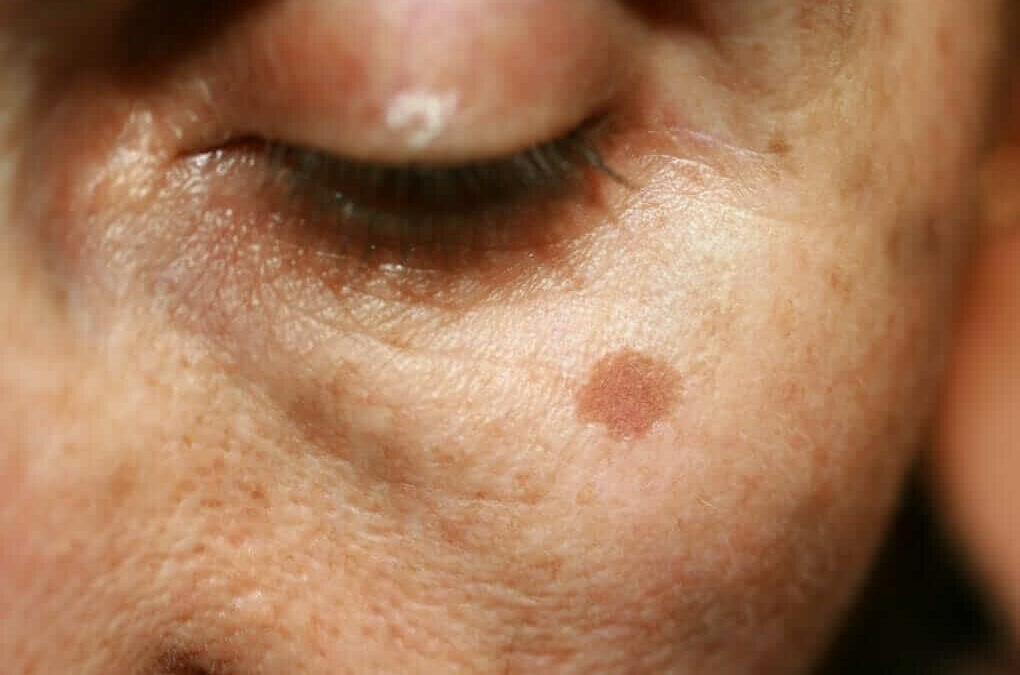
Often, persistent exposure to the sunlight leads to the over production of melanin by some melanocytes. As a result, individuals develop a localized pigmentation in a form of “age spots” or “brown spots”. These spots make the skin looking aged. In addition to undesired pigmentation, photodamage leads to the collapse of fibroblasts and reduction of collagen and elastin production (solar elastosis). These dermal structural changes make the skin surface irregular and the light reflection uneven. Therefore, the skin develops a dull, sallow complexion. see infographics to learn more
How to Treat Photodamage?
The first rule of thumb is prevention. Unfortunately, it is hard to completely prevent photodamage. Reducing exposure to the sun, avoiding all forms of tanning, and applying sunscreens can minimize the effects of this environmental insult. The benefits of sunscreens include decreasing the risk of sunburns caused by UV-B as well as accumulation of photodamage. Suncreens, however, fall short in protecting the skin from UV-A and infrared radiation. When photodamage is visually observed, it is time to take it seriously because it means that molecular and genetic changes took place. The severity of photodamage determines treatment options. Individuals with early signs of photodamage are usually treated with retinoids or retinols, vitamin C, and alpha hydroxyl acids. Moderate and severe forms of photodamage require the use of photofacial treatments, which are often referred as photorejuvenation. There is a wide range of different photofacial non-surgical treatments; they include laser therapies (LT) and intense pulsed light (IPL).
Skin is our largest and most visible organ. Therefore, your skin complexion is the first noticeable thing. Skin complexion mainly depends on melanin, the skin pigment. Melanin is produced by melanocyte cells to protect the skin from damaging effects of ultraviolet (UV) rays. Excess of sun exposure negatively affects the skin complexion and health because UV radiation causes oxidative stress in the skin cells. From an aesthetic perspective, oxidative stress is responsible for fine lines and wrinkles, dull skin, skin laxity, and undesired pigmentation. Furthermore, accumulated sun damage (photodamage) can harm your health. It can cause pre-cancerous lesions and the most deadly skin disease, Melanoma
How Does the Skin Develop Pigment?
In fact, sunlight stimulates melanin production. More than half of the sun energy is presented by infrared radiation. Infrared radiation penetrates the skin deeper than UV-B and UV-A rays and generates reactive oxygen in the dermal layer, a type of unstable molecule that contains oxygen. Reactive oxygen easily reacts with other molecules in a cell. National Cancer Institute reports that a build up of free radicals or reactive oxygen species in cells may cause damage to lipids, DNA, RNA, and proteins, and may cause cell death. Reactive oxygen stimulates melanin production by the melanocytes through a series of chemical reactions. Then, the melanosomes, containing melanin, migrate to the top skin layer, the epidermis, and pass melanin to keratinocytes. When keratinocytes acquire the melanin, the changes become visible on the skin in a form of pigmentation. It is important to remember that the photodamage occurs much earlier than the skin pigmentation.
How Does Photodamage Affect the Skin ?
Often, persistent exposure to the sunlight leads to the over production of melanin by some melanocytes. As a result, individuals develop a localized pigmentation in a form of “age spots” or “brown spots”. These spots make the skin looking aged. In addition to undesired pigmentation, photodamage leads to the collapse of fibroblasts and reduction of collagen and elastin production (solar elastosis). These dermal structural changes make the skin surface irregular and the light reflection uneven. Therefore, the skin develops a dull, sallow complexion.
How to Treat Photodamage?
The first rule of thumb is prevention. Unfortunately, it is hard to completely prevent photodamage. Reducing exposure to the sun, avoiding all forms of tanning, and applying sunscreens can minimize the effects of this environmental insult. The benefits of sunscreens include decreasing the risk of sunburns caused by UV-B as well as accumulation of photodamage. Suncreens, however, fall short in protecting the skin from UV-A and infrared radiation. When photodamage is visually observed, it is time to take it seriously because it means that molecular and genetic changes took place. The severity of photodamage determines treatment options. Individuals with early signs of photodamage are usually treated with retinoids or retinols, vitamin C, and alpha hydroxyl acids. Moderate and severe forms of photodamage require the use of photofacial treatments, which are often referred as photorejuvenation. There is a wide range of different photofacial non-surgical treatments; they include laser therapies (LT) and intense pulsed light (IPL).
by Valeriya Kettelhut | Aug 29, 2019 | Body Wellness
Several years ago, I decided I need to slim my body. As I hit my middle forties, I found myself rapidly gaining extra weight and building up a squashy muffin-top. To my surprise, I discovered that diet and exercise alone didn’t give me the results I desired. My rigorous workouts and pretty modest eating habits did not pay off. That was a killer for my motivation to keep up with my routine or try a different approach.
Endermologie® Gives You Strong Motivation and Inspiration to Look Your Best
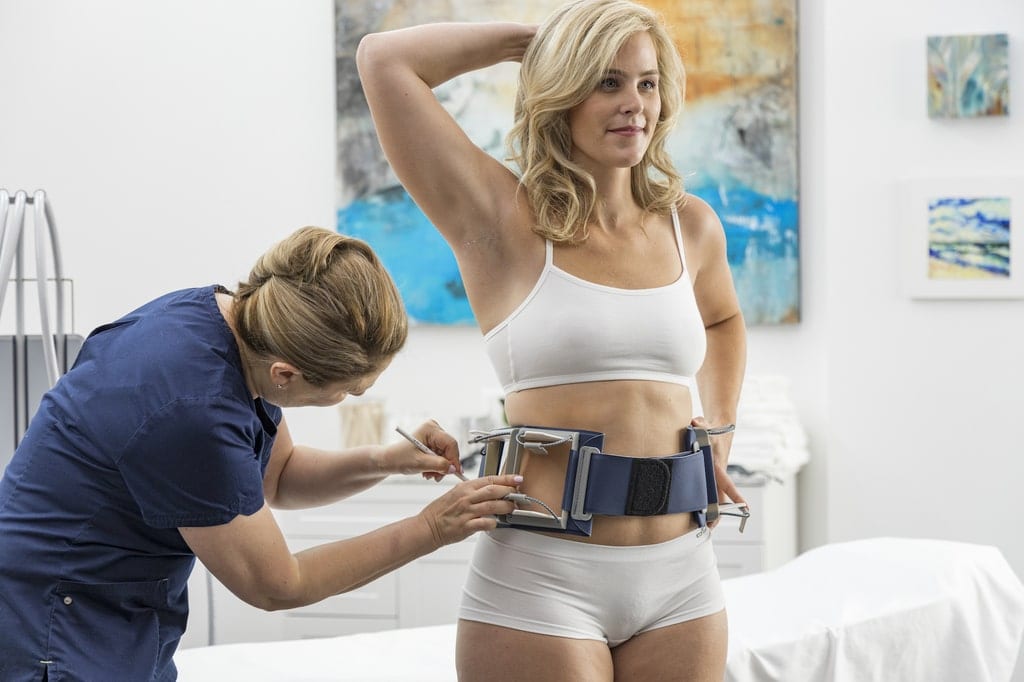
Any idea about liposuction or a tummy tuck was not considered at all. My sister, a cosmetologist with 20 years of experience, advised me to get non-invasive procedure of Lipomassage by LPG Endermologie®. I found that LPG Endermologie® is the scientifically proven technique, targeting the fat that is resistant to diet and exercise and tightening the skin. While being in Miami for vacation, my sister and I found a medspa near our location that offered LPG Endermologie®. I decided to get one treatment just out of curiosity. At the beginning of the treatment, I had to strip down and put on a special body suit, looking like a big stocking. Then the spa therapist started massaging my body with the machine’s head Ergodrive. The head is equipped with two motorized powerful rollers that lift up and knead the skin in various different directions. This “mechano-stimulation” of the skin’s surface is proven to stimulate a deep biological response to eliminate fat cells, reduce cellulite, firm the skin, improve lymphatic drainage and overall reshape the contours of body. The treatment felt very pleasant. One session cost was $150 and took about 45 minutes. I saw results after the first session. Next morning, I felt slimmer, and even my clothes became slightly loose. To achieve noticeable results, I had to commit to at least ten sessions, getting them twice a week, to start experiencing the benefits. I was able to get 6 sessions during my vacation, although I needed at least 12 to see maximum results. I was also recommended to have maintenance regime with one monthly treatment.
How Endermologie® Results Appear
My first experience was so successful because that sense of lightness and slimness really motivated me to get more of physical exercise and better diet. I swam more in the beautiful Atlantic waters, walked at every opportunity, and cut on sweet stuff. I wanted to get back to my size 8, and I became a believer it was possible. That year, I was size 14. After my third treatment I started to notice visible results. I could see that my thighs skin was denser and smoother, my stomach became less bumpy, and my buttocks appeared more lifted. These changes inspired me a lot! I came back to Omaha in a much better shape and smoother skin. I kept working out and keeping up with healthy diet. I planned my next trip to Miami to continue the Lipomassage. Meanwhile, I started massaging my thighs with a hand-held device and applying coffee scrubs to maintain the results. A month later, I was able to go back for four days and get the additional four Lipomassage sessions daily. This short but intense course significantly boosted my fat loss and body contouring. Since I was there by myself, I totally dedicated my time to wellness. I rode my bike every day, I swam twice a day, and ran early mornings. The results were so impressive that I started thinking how many people would benefit from this motivating treatment. It helped me to get rid off stubborn fat, tighten my skin, and lose 30 pounds. The most significant part was that the very first treatment motivated me to keep up with physical exercises and better diet!
Valeriya Life Endermologie® Center is Ready for You
Today, I am a proud founder of Valeriya Life where we offer Lypomassage by Endermologie®, the latest LPG machine, called the Integral. In addition, we provide body wraps with Body Lift, a stem cell skin product, and an anti-aging nutritional support to address the gut health. To date, all our clients who have experienced this technology have been extremely satisfied. If you are considering body contouring, cellulite reduction, and weight loss, you can check our packages that offer a discount for a series of 10 and more sessions. The other benefit of Lipomassage is stress and muscle sourness relief. Smoothing music and essential oil application are a nice addition to the endermologie session. Having “me” time is not only relaxing but invigorating! You need to try it too.
By the way, I am size 8 now.
by Valeriya Kettelhut | Aug 29, 2019 | Body Wellness
Four Targets of Cellulite Treatment
As a woman, I am very interested in exploring different options for cellulite reduction. As a physician in training, I see cellulite as both aesthetic issue and health problem. Lately, I became more convinced that a health aspect of cellulite is dominant as it indicates health risks, such as excessive weight, toxic burden, and chronic inflammation. In some people, cellulite causes pain. In general, cellulite treatment aims at four major targets: fat reduction, skin toning, connective tissue softening, and removal of toxins.
FAT REDUCTION OPTIONS
SKIN TONING
CONNECTIVE TISSUE SOFTENING
TOXINS REMOVAL
Unintended Consequences of Weight Loss, Local Fat Destruction, and Liposuction
Treatment of cellulite is truly an anti-aging intervention as it is not only improving the appearance but also reducing the toxin burden. Although healthy lifestyle, including diets and physical activity, is crucial for healthy and youthful appearance, in this article, I want to focus on benefits and drawbacks of diet and technology-driven treatments of cellulite.
Extra, Loose Skin
Drastic dieting, localized fat destruction with the use of cold temperatures, and surgical fat removal are effective for noticeable fat reduction. However, these interventions can cause unintended consequences and even complications in some people. Significant fat loss, as a result of diet, is typically associated with “post-diet” face and body skin.
“It’s frustrating to patients who have put all this hard work and commitment into their weight loss journey and new bodies to be left with extra skin that doesn’t reflect that effort,” says Jason B. Lichten, MD, a plastic surgeon in Columbus, OH. “Often, they feel that their extra skin hangs on them the same way their old clothes from before their weight loss would, only they can’t take it off.” The longer skin stays stretched out, the higher the risk of losing skin’s elasticity and ability to shrink back. Moreover, saggy, loose skin can cause rashes and yeast infection in skin folds.
Cryotherapy (the cold temperatures) for local fat destruction do not address the skin toning either, thus some sagginess of the skin can also appear in post-treatment period. In addition, downtime after the fat destruction with the cold may take more than a month.
As a former surgeon, I always think about surgical treatments as life-saving procedures. Any surgery is always associated with high risks for health. That makes me quite conservative about aesthetic surgery when non-surgical alternatives exist. One complication of any surgery is a formation of adhesions and/or fibrosis as a result of the post-surgical inflammatory process. While adhesions abnormally bind separate organs and tissues, fibrosis occurs in the connecting tissue of organs.
Both complications lead to the remodeling of the blood vessels’ architecture, which negatively affects organ functioning. For instance, post-liposuction fibrosis represents hard and often painful lumps distributed on the skin where liposuction has been done. This fibrosis is hard to break up, and it can require a surgical revision and/or extended physical therapy.
Two New Cost-Effective Technologies that Affect All Four Targets for Cellulite Treatment
Several research studies revealed two non-surgical treatments that effectively address all four targets for cellulite treatment: Venus LegacyTM and Endermologie® . Both technologies
- stimulate collagen production that decrease lax skin
- reduce fat volume by stimulating natural lipolysis
- soften connecting tissue by improving the local blood circulation and
In addition, Endermologie® decreases toxins and water retention by increasing the lymphatic flow. A combination of these two treatments produces effective, noticeable and long-lasting results. Both procedures are safe for most people. The downtime lasts for a few minutes in a form of the localized redness, as a result of the increased local blood circulation. Also, it is important to point out that a course of 10 sessions LPG Endermologie, for instance, is comparable with the cost of one Coolsculpting treatment.
by Valeriya Kettelhut | Aug 14, 2019 | Skin Anti Aging
What Is Cellulite
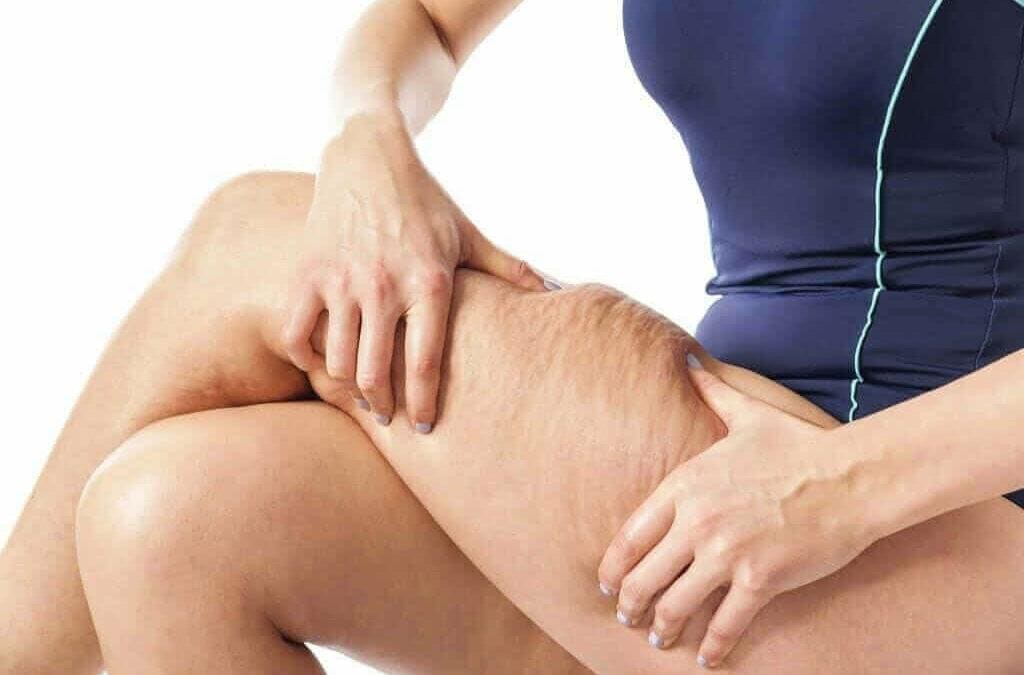
Cellulite involves fibrous connective cords that tie the skin to the underlying muscle, with the fat cells lying between. As fat cells enlarge, they force the skin to bulge. At the same time, the rigid cords keep the other areas of skin at the same level. Some cords shrink because of their fibrotic transformation caused by the chronic, low-grade inflammation. As a result, the fibrous cords pull the skin down and create an uneven surface or dimpling.
Risk Factors for Cellulite
The common areas of cellulite are the thighs, hips and buttocks. Cellulite starts after puberty and gets worse with aging, when the skin loses its firmness and elasticity. Genetics, sedentary lifestyle, weight gain, and water retention are common risk factors for cellulite.

Cellulite Induced Complications
Cellulite is not simply an aesthetic issue. It blocks blood and lymph circulation. As a result, the poor local circulation leads to the accumulation of toxins, reduction of oxygen and development of the chronic inflammation. If cellulite remains untreated, the tiny blood vessels obliterate, and local metabolism gets significantly reduced. The skin feels cold and has a bluish tone. A significant reduction of local metabolism makes cellulite zones very stubborn for fat release. Diet and physical exercises are ineffective for cellulite reduction.
The Formation of Cellulite includes
- Toxins Accumulation
- Enlarged Fat Cells
- Poor Local Circulation
- Fibrosis of Connecting Tissue
- Water Retention
The Pinch Test
This is a simple way to visually grade cellulite. Pinch the skin on your outer thigh between your index finger and your thumb and look for dimpling. You can also try other regions of the body such as arms, buttocks and abdomen.
Made with Visme Infographic Maker

by Valeriya Kettelhut | Jul 30, 2019 | Body Wellness
Do you know that overeating activates the immune system in a way that generates excessive body inflammation? This inflammation is characterized as persistent, low-grade chronic inflammation. If left ignored, the inflammation can lead to increased body weight, cancer, and the chronic diseases, such as cardiovascular disease and diabetes mellitus.
Role Of Obesity In Inflammation
Obesity plays an important part in chronic inflammation. First, obesity promotes serious changes in fat cells. Fat cells become bigger in size. Secondly, the enlarged fat cells act as a trigger for specific immune cells, called macrophages. In the obese fat tissue, the concentration of macrophages increases up to 50% from 5% in the lean fat tissue. Moreover, the enlarged fat cells activate and stimulate macrophage functioning. Specifically, excess of fat stimulates macrophages to release pro-inflammatory chemicals causing chronic inflammation and insulin resistance.
So, on one hand, the enlarged fat cells cause chronic inflammation in the body. On the other hand, chronic inflammation advances weigh gain. This vicious cycle is ongoing. Chronic inflammation and obesity are deeply interconnected. When fasting, the obese fat cells start experience break down and death. Macrophages immediately populate these areas: they start cleaning the debris of dead cells and creating the released lipids (fatty acids).
This process prevents the excessive penetration of fatty acids to the blood stream. Unfortunately, macrophages eventually fail to perform adequate cleaning and consumption of excessive lipids. The bad lipids go to the blood stream and increase inflammation. The researchers now try to reprogram macrophages to enable them to successfully cope with the obese fat cells.
Avoiding Pro-Inflammatory Food Can Reduce the Inflammatin
Where can we start ?, We can modify our lifestyle first. We can reduce the inflammation by losing weight. Second, we can also remove pro-inflammatory food from our diet. Certain foods encourage chronic inflammation, which in turn may lead to overeating and weight gain in non-obese people. Avoiding pro-inflammatory foodcan be the first step to prevent obesity. Try to remove these products from your diet:
- Sugar and high-fructose corn syrup Artificial trans fats(margarines) and vegetable and seed oils (soybean oil)
- Refined carbohydrates: candy, bread, pasta, pastries, some cereals, cookies, cakes, sugary soft drinks and all processed food that contains added sugar or flour
- Excessive alcohol
- Processed meat
Although, inflammation can occur in response to many triggers, we have much more control over factors like diet. Inflammatory food is a proven risk factor for inflammation. So, let’s start checking on honey, what’s for dinner?
Valeriya Life Nutritional Support
Call us Now to find out more: Phone: 531-777-2752




Recent Comments