


Skin Redness & Rosacea
Skin Redness & Rosacea
Our advanced, clinically-proven treatments are designed to target specific skin redness concerns, restoring balance, enhancing skin health, and revealing a calmer, more radiant complexion.
Our advanced, clinically-proven treatments are designed to target specific skin redness concerns, restoring balance, enhancing skin health, and revealing a calmer, more radiant complexion.
Sensitive skin and rosacea are increasingly common conditions, affecting millions across the U.S. While often confused, they each require a tailored approach for effective care. Sensitive skin may react to triggers like UV exposure, pollution, wind, or harsh chemicals, leading to temporary redness, irritation, rashes, or discomfort. Fortunately, these symptoms can often be minimized by identifying irritants, calming inflammation, and restoring the skin’s natural barrier.
Rosacea, by contrast, is a chronic inflammatory condition marked by persistent redness, visible blood vessels, and bumps that can impact both appearance and confidence. Our experienced team specializes in clinically proven treatments designed to soothe sensitive skin, manage rosacea symptoms, and improve overall skin health.
first step
Our process begins with a comprehensive evaluation using the advanced VISIA Skin Analysis system. This state-of-the-art imaging technology allows us to precisely identify and assess your unique skin concerns, enabling us to develop a targeted and effective treatment plan tailored to your needs.
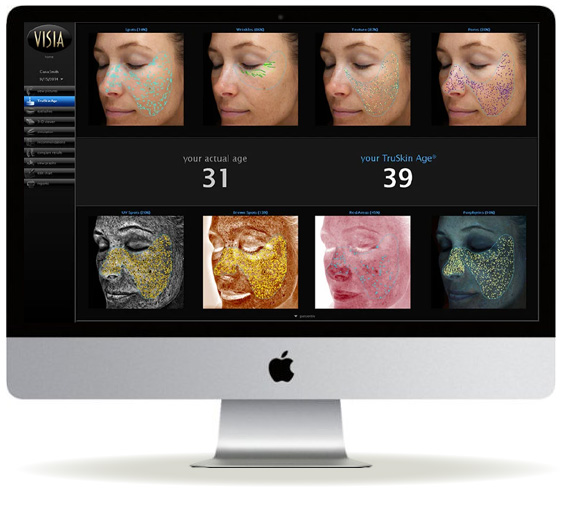
Our technology shows key information for 8 areas affecting skin complexion, health, and appearance. It also grades your condition based on your peer group. The VISIA skin analysis system allows you to see what is happening on and beneath the surface of the skin by analyzing your facial wrinkles, pore size, texture, bacterial count, UV damage, sun spots, including broken capillaries, making treatment programs more effective and tracking improved outcomes more accurate.
Solution
Following your initial consultation and the development of a personalized treatment plan, we begin your journey toward lasting transformation and visible, long-term results.
Following your initial consultation and the development of a personalized treatment plan, we begin your journey toward lasting transformation and visible, long-term results.
At our medical spa, we take a comprehensive and science-driven approach to skin health. Rather than relying on a single technology or treatment, we integrate a curated combination of evidence-based technologies, medical-grade skincare, advanced biotech supplements, and personalized lifestyle guidance to deliver exceptional, lasting results. Your skin deserves nothing less.
The skin barrier plays a vital role in defending against environmental stressors. When compromised, it can lead to heightened vascular sensitivity and the development of conditions like redness and reactive skin. That’s why we prioritize skin integrity while addressing the vascular components of sensitive skin and rosacea.
Our advanced treatments—such as phototherapy and fractional ablative radiofrequency—target dilated capillaries and support dermal rejuvenation without disrupting the skin’s protective barrier. These proven modalities are among the most effective for managing chronic redness, flushing, and visible blood vessels.
If you’re ready to move beyond the frustration of ongoing skin sensitivity and rosacea, we invite you to experience the difference of a truly holistic, results-oriented approach. Book your consultation today and take the first step toward healthier, more resilient skin.
At our medical spa, we take a comprehensive and science-driven approach to skin health. Rather than relying on a single technology or treatment, we integrate a curated combination of evidence-based technologies, medical-grade skincare, advanced biotech supplements, and personalized lifestyle guidance to deliver exceptional, lasting results. Your skin deserves nothing less.
The skin barrier plays a vital role in defending against environmental stressors. When compromised, it can lead to heightened vascular sensitivity and the development of conditions like redness and reactive skin. That’s why we prioritize skin integrity while addressing the vascular components of sensitive skin and rosacea.
Our advanced treatments—such as phototherapy and fractional ablative radiofrequency—target dilated capillaries and support dermal rejuvenation without disrupting the skin’s protective barrier. These proven modalities are among the most effective for managing chronic redness, flushing, and visible blood vessels.
If you’re ready to move beyond the frustration of ongoing skin sensitivity and rosacea, we invite you to experience the difference of a truly holistic, results-oriented approach. Book your consultation today and take the first step toward healthier, more resilient skin.
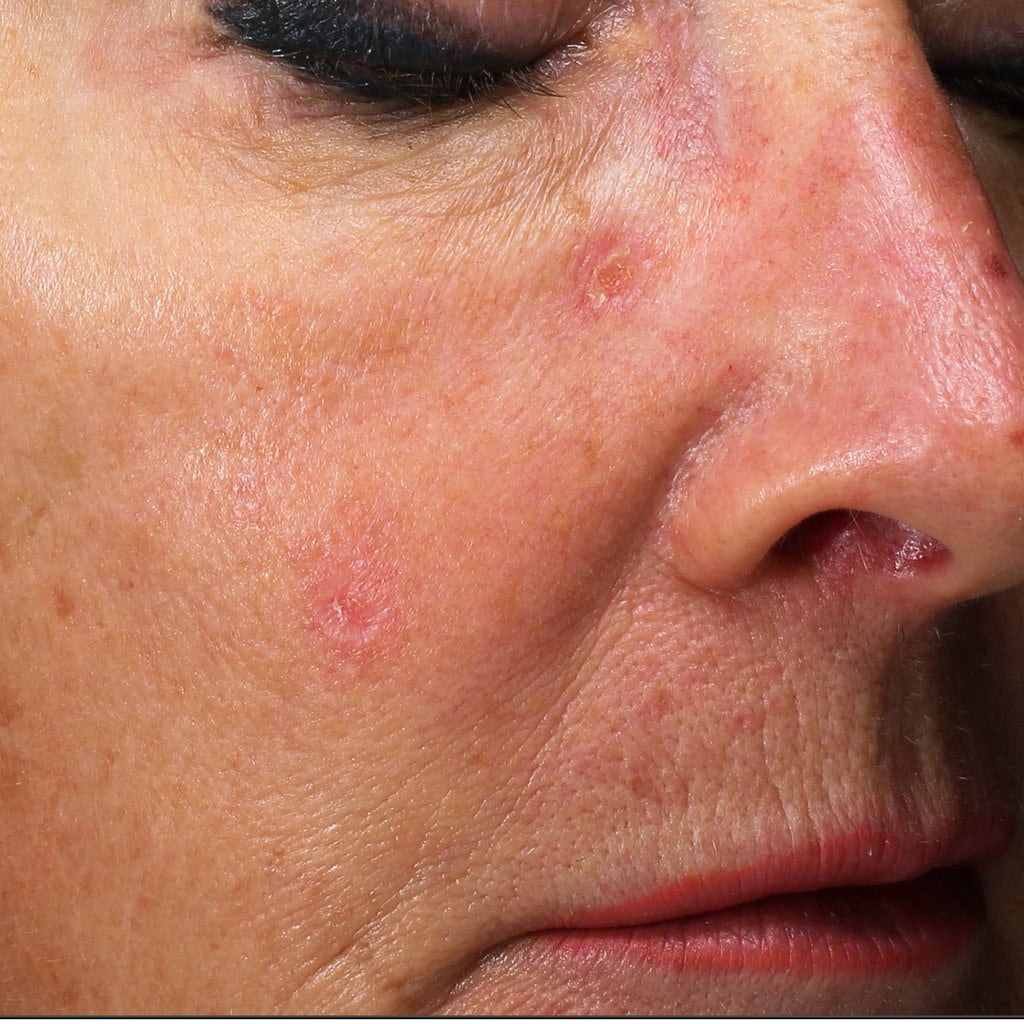
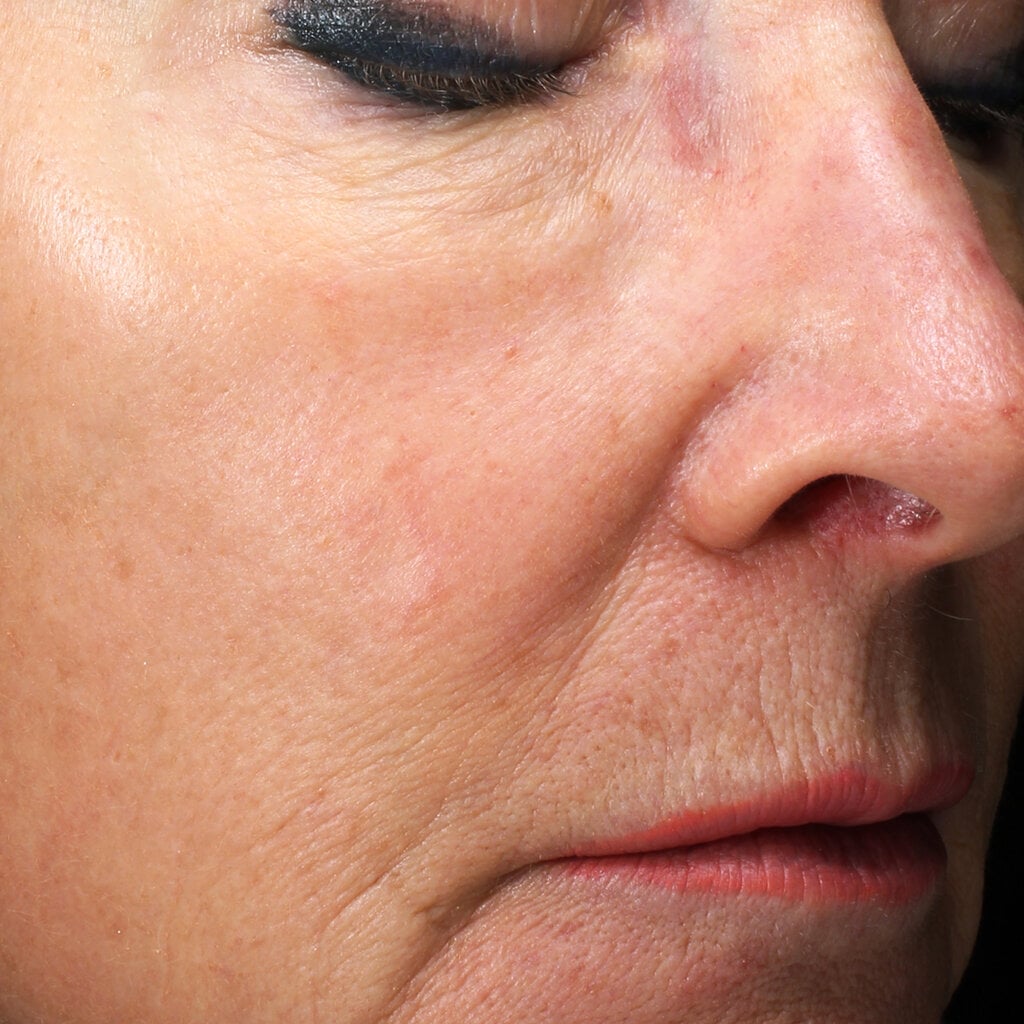
(Individual results may vary)
Results after: 3 treatments
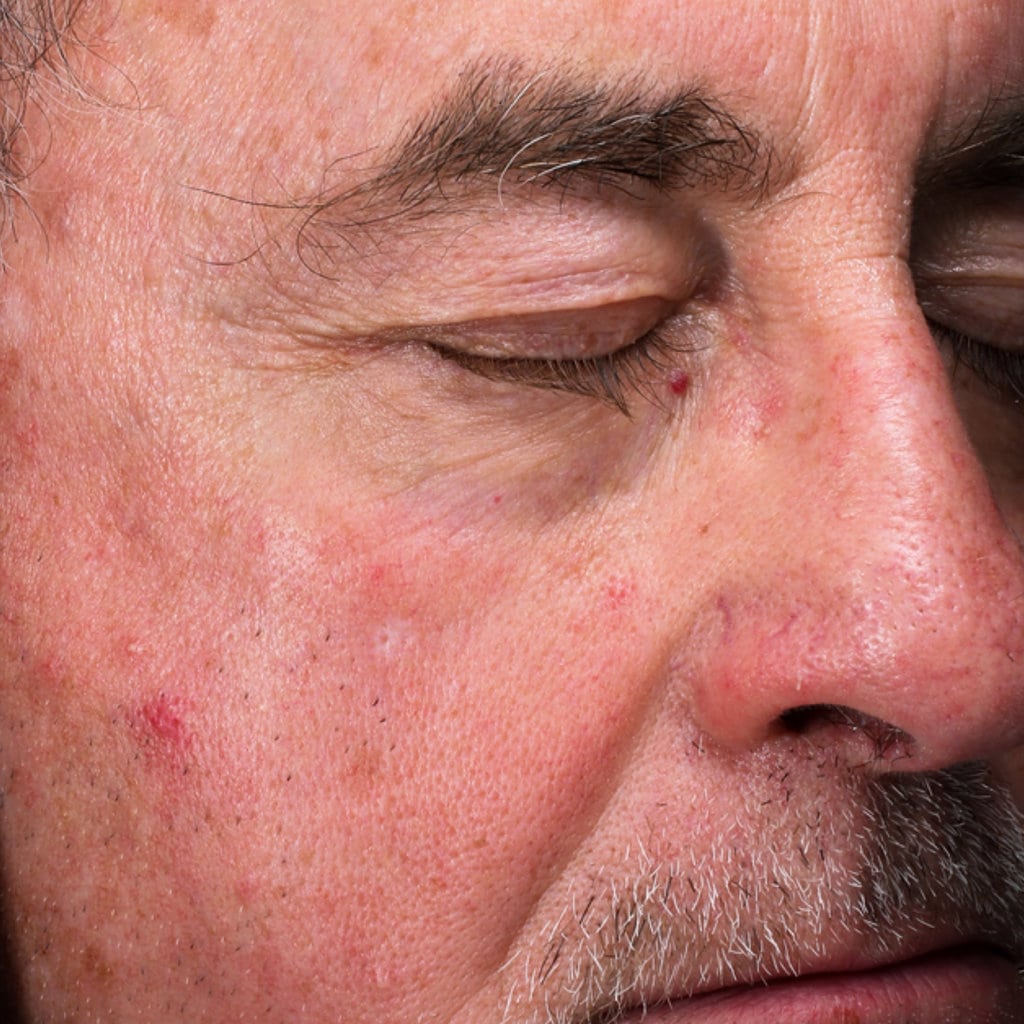
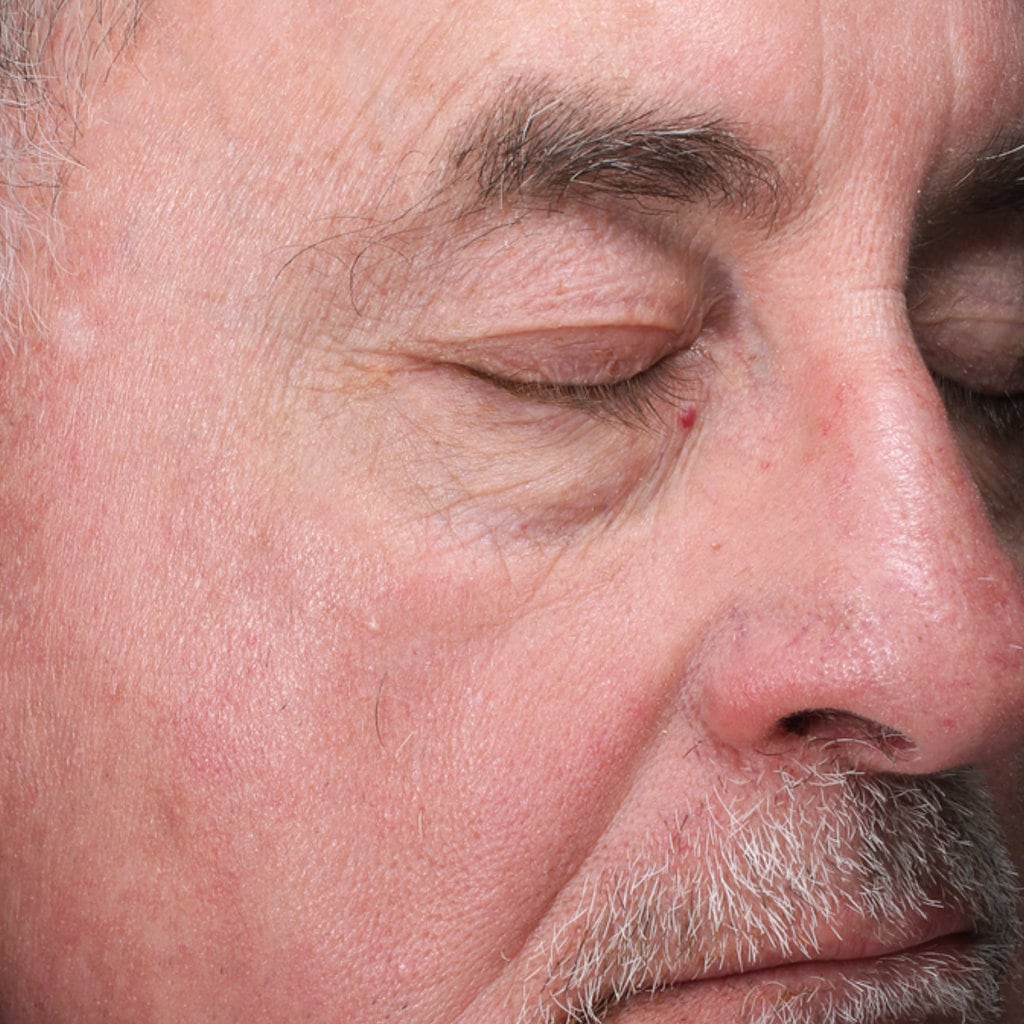
(Individual results may vary)
Results after: 2 treatments
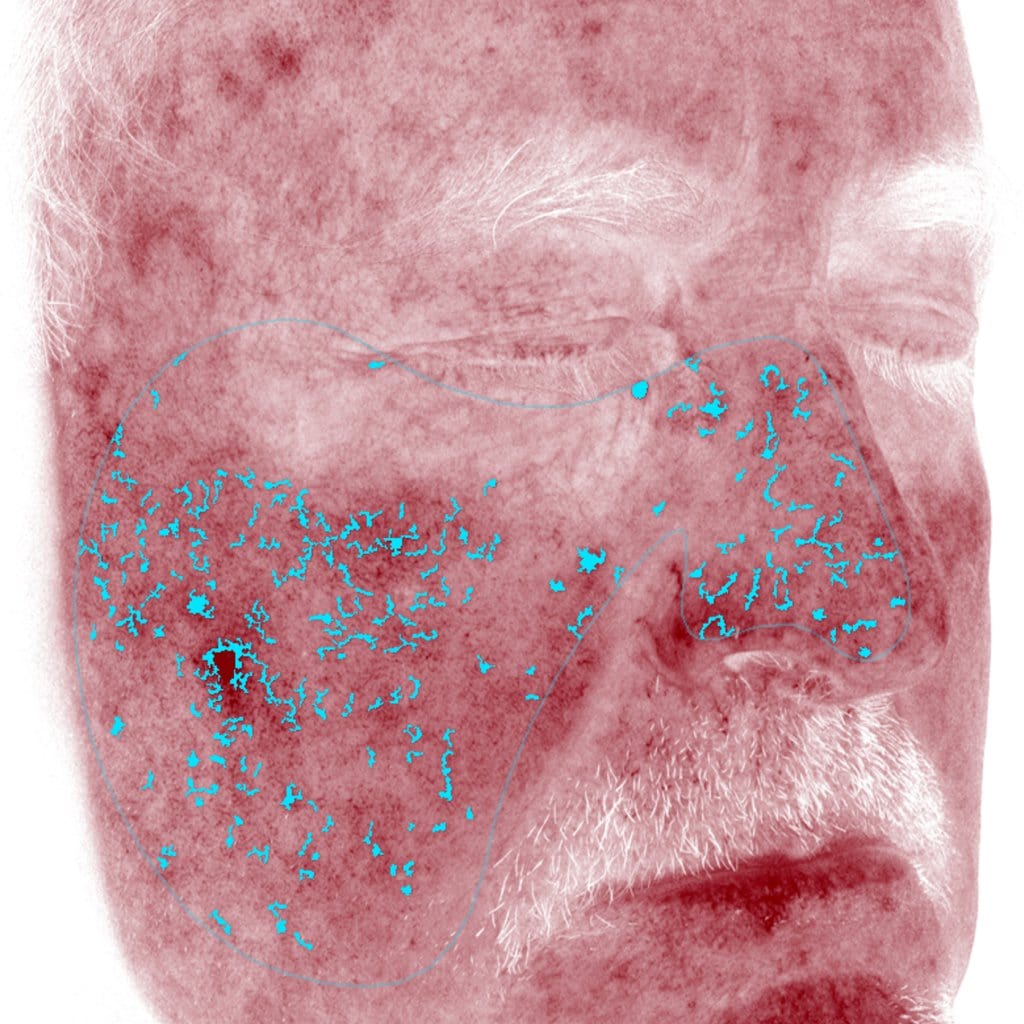
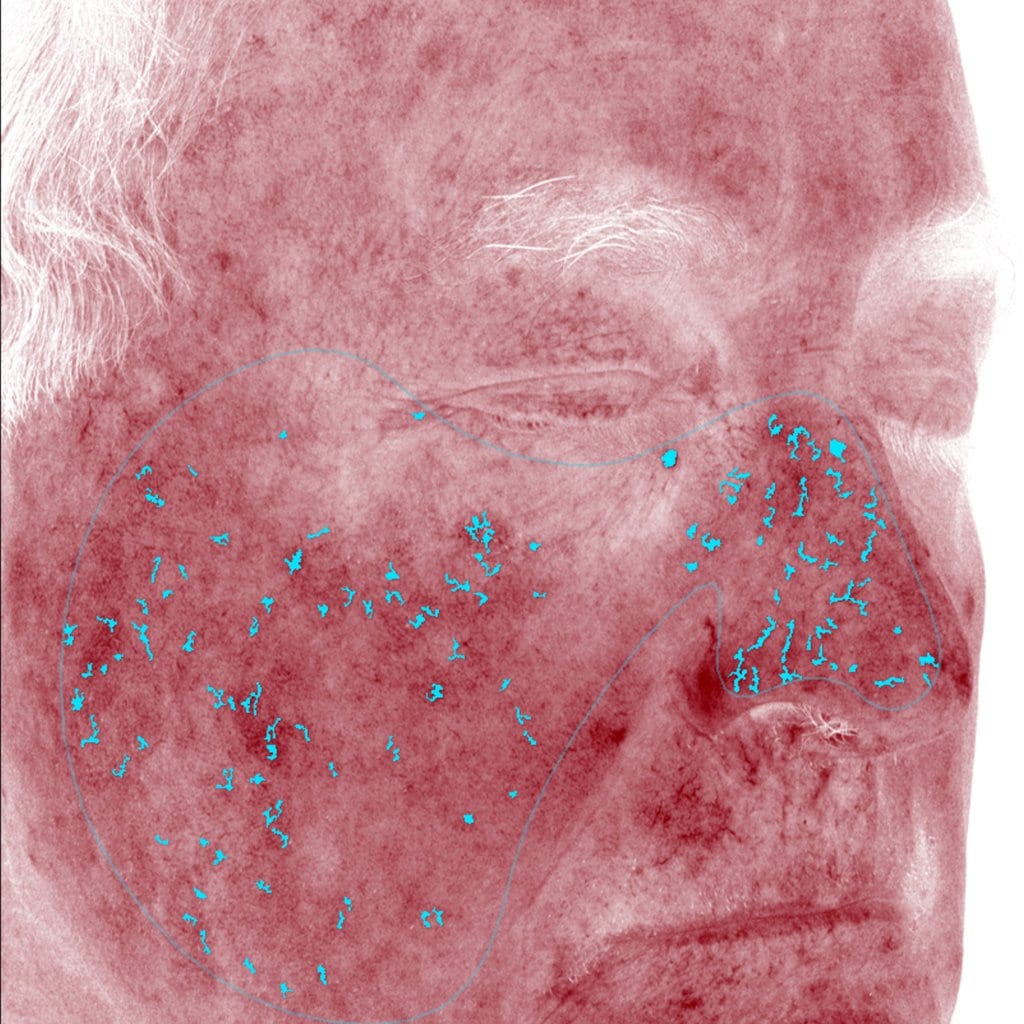
(Individual results may vary)
Results after: 3 treatments

Technologies Used
VISIA Advanced Skin Assessment
The first step we take in determing your skin condition and assessing how your treatments are working is by using trackable visual reports of the improvements to your skin with VISIA. Learn more about VISIA Skin Analysis.
Venus Viva Treatment
Get smoother and tighter skin without the downtime! Venus Viva is a non-surgical solution for skin resurfacing that corrects signs of skin damage and improves the appearance of acne scars, other scars, and stretchmarks. Rosacea, enlarged pores, deep wrinkles, uneven skin texture, and pigmentation. Learn more about Venus Viva treatments.
Venus Versa Treatments
Venus Versa includes a powerful, pain-free Intense Pulsed Light treatment with SmartPulse technology that delivers precise light through several layers of skin. This treatment corrects skin complexion imperfections without damaging surrounding tissue. It reduces not only sun damage, brown spots, visible veins and discolorations but also visible signs of premature aging, such as fine lines and wrinkles. Learn more about Venus Versa treatments.
Tribella Facial Treatment
The TriBella facial treatment is a three-in-one therapy that combines photofacial, anti-aging, and skin resurfacing treatments to improve your skin tone, elasticity, and texture. The IPL photofacial treatment corrects discoloration, fades age spots, reduces sun damage, and improves skin tone. Then, the anti-aging treatment diminishes fine lines, reduces wrinkles, and firms up skin. Last, the skin resurfacing treatment smoothens out the appearance of uneven skin texture, scars, rosacea, enlarged pores, stretch marks, and other skin textural concerns. Learn more about Tribella.

Bio Tech Supplements
Caring for sensitive skin requires a deeper understanding of its underlying causes—many of which begin in the gut. Research from the Centers for Disease Control and Prevention (CDC) highlights that dermatologists prescribe more antibiotics than any other medical specialty, averaging 162 additional prescriptions per year compared to primary care physicians. While often used for their anti-inflammatory effects in treating conditions like rosacea—which affects over 16 million Americans—oral antibiotics are primarily intended to combat bacterial infections. Their overuse, however, can disrupt the gut microbiome, leading to dysbiosis, a condition closely linked to increased skin sensitivity.
At our clinic, we take a comprehensive approach that includes a careful review of your medical history to ensure your gut health is supported alongside your skin. By incorporating advanced, clinically formulated nutraceuticals that promote a balanced microbiome, we help address inflammation at its source—paving the way for stronger, healthier skin from within.
• Gut health
• Anti-inflammatory
• Collagen production

Targeted Skincare Solutions for Sensitive and Inflamed Skin
Sensitive or reactive skin is often the result of underlying inflammation, which may stem from both internal and external factors. It’s important to recognize that skin inflammation is not merely a surface concern—it can be a visible sign of systemic imbalance. Additionally, aggressive aesthetic treatments and the use of unsuitable skincare products can exacerbate sensitivity and compromise the skin’s natural barrier.
Individuals with sensitive skin know the frustration of reacting negatively to new products. To minimize irritation and flare-ups, it’s essential to incorporate properly formulated products into a gentle, supportive skincare routine.
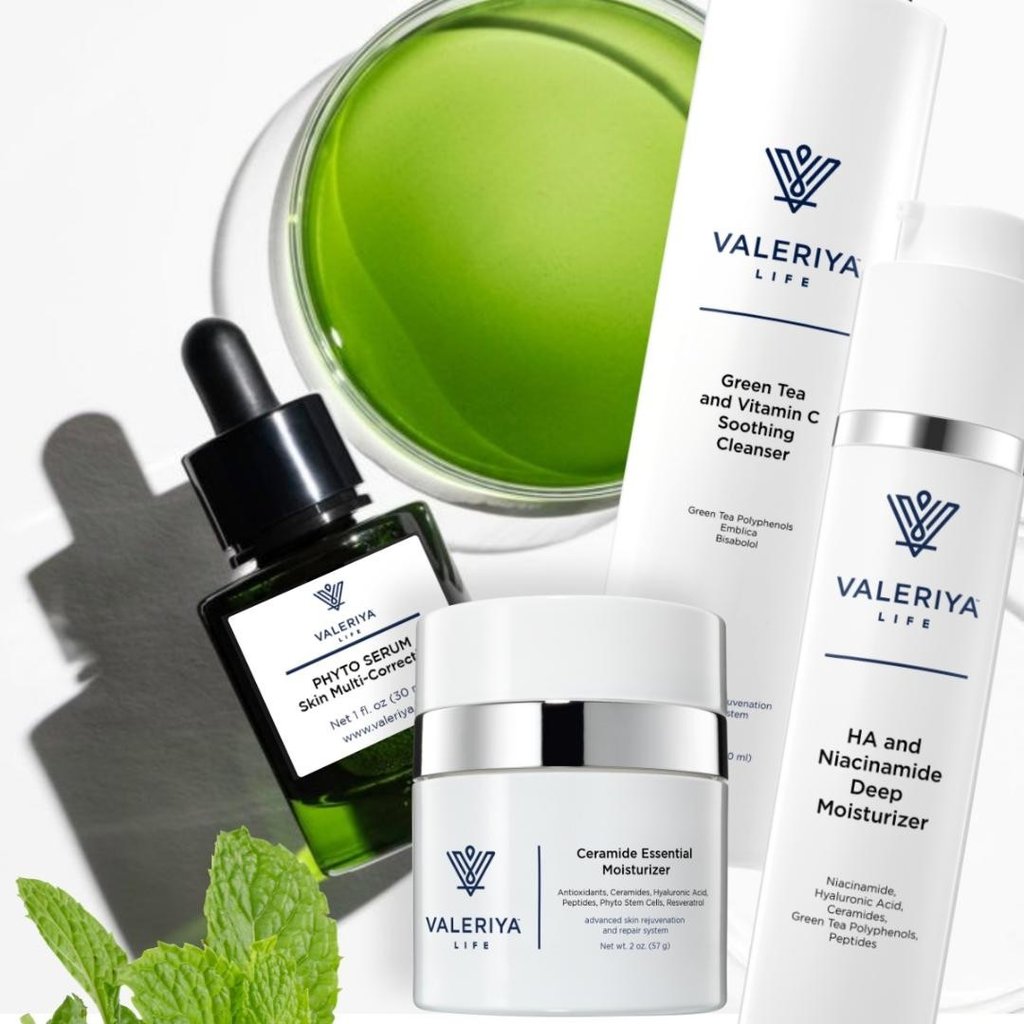
At Valeriya Life, we offer a comprehensive selection of medical-grade skincare specifically developed for sensitive, inflamed, and rosacea-prone skin. Our expert team will design a personalized regimen to help calm discomfort, reduce redness and puffiness, relieve burning sensations, and support the repair of your skin’s protective barrier—promoting long-term resilience and clarity.
Frequently asked questions
How To Start Treatments For My Sensitive Skin At Valeriya Life?
First step is to book a consultation where our skin experts will analyze your skin and determine the best course of action.
How Does Rosacea Occur?
The human skin contains numerous tiny capillaries that are normally narrow and not visible to the naked eye. However, under the influence of various factors such as stress, fear, cold, or heat, they can freely constrict or dilate. In some cases, the capillary walls lose their elasticity, deteriorate rapidly, and are unable to narrow. Consequently, persistent redness and the appearance of a vascular network on the face, known as rosacea, occur.
What Are Symptoms Of Rosacea?
Rosacea affects individuals differently, with most people only experiencing a subset of its symptoms. The pattern of these symptoms can vary greatly from person to person. Although rosacea is a chronic condition, it often follows a cycle of flare-ups and periods of remission, providing some relief from its symptoms.
The symptoms of rosacea include:
- Facial redness. Experience a gradual shift from occasional flushing or blushing to a persistent redness that lingers for extended periods. This persistent redness may be accompanied by a tingling or burning sensation, while the affected skin may become rough and scaly over time.
- Rash. Acne-like red spots on the face can turn into red, pus-filled bumps and pimples.
- Visible blood vessels. These typically appear as thin red lines on the cheeks and nose. It’s known as telangiectasia.
- Skin thickening. Particularly on the nose, the skin may thicken, giving the nose an inflated, bulbous appearance. Men are primarily affected by this symptom, which is one of the more severe ones.
- Eye irritation. In what is termed ocular rosacea, the eyes become sore, red, itchy, watery, or dry. They may feel gritty or as if there is something in them, such as an eyelash. The eyelids may swell and become red at the base of the eyelashes. Styes may develop. It is important to see a health care provider if you have eye symptoms because if left untreated, eye damage and loss of vision can result.
Rosacea can occasionally progress in stages, starting with brief flushing of the cheeks and nose and continuing for a longer time before developing into a rash and tiny blood vessels visible beneath the skin. Untreated skin can thicken and swell, resulting in firm, red pimples, particularly on the nose.
The middle of the face is typically affected, but in rare instances, it can spread to the sides of the face, the ears, the neck, the scalp, and the chest.
How Is Rosacea Linked To Skin Aging?
The dermal layer of the skin houses the blood vessels, which are composed of a superficial and deep network of arterioles, venules, and capillaries. Maintaining healthy blood vessels and microcirculation is crucial for maintaining youthful and healthy skin. Healthy capillaries play a vital role in supplying oxygen and nutrients to the skin cells, while also eliminating metabolic waste. This essential process ensures that the skin fully supports all its functions. The skin can experience aesthetic problems as we age, which can be attributed to inadequate blood circulation in the affected area. Excessive dilation of the blood vessels in the skin can have a negative impact on the local blood circulation, which in turn affects the health of the skin cells.
What Are Symptoms Of Couperose Or Telangiectasia?
Couperose is often accompanied by dry skin and peeling. The blood in the capillaries becomes stagnant, leading to a lack of oxygen and nutrients for the skin cells. This also hinders the removal of metabolic waste from the cells. Consequently, the skin cells divide at a slower rate, resulting in thinning and drying of the upper layer of the skin. Premature wrinkles may appear, and the complexion may take on a pale grayish hue. This overall accelerates the aging process of the skin. Additionally, skin prone to couperose is frequently sensitive. Interestingly, even if the skin was not initially hypersensitive, it can quickly develop sensitivity and become a constant companion to couperose. It is worth noting that thin, dry, and light skin is particularly susceptible to becoming hypersensitive and displaying signs of rosacea.
Can Rosacea Be Inherited From Family Members?
The susceptibility to the disease is often inherited and linked to a genetic predisposition that weakens the walls of blood vessels. This weakness causes the vessels to easily deform and expand when exposed to external factors, which is commonly observed among close relatives and typically manifests with age. The reduced elasticity of capillaries can also be attributed to significant internal pathologies, such as autoimmune diseases, sclerotic changes, hypertension, hormonal imbalances, and heart failure. The condition of internal organs and the gastrointestinal tract also plays a crucial role, as chronic diseases affecting these areas can disrupt the absorption of nutrients and negatively impact the overall state of the vessels and the entire body. Endocrine disorders, hormonal fluctuations, stress, and prolonged exposure to direct sunlight can also affect the elasticity of blood vessels and damage the walls of capillaries. In winter, cold air can have a negative impact on sensitive facial skin, making it more susceptible to damage.
Will My Rosacea Get Worse If Left Untreated?
Three primary stages of rosacea have been identified by dermatologists, each with a unique set of bothersome symptoms. During the first phase, called erythrosis, people may momentarily become red in the chin, nose, and cheeks. This redness usually lasts a few days or for a brief amount of time and can happen for no apparent reason. In addition to the redness, some patients report hot flashes, tingling, itching, and skin irritation, as well as increased sensitivity.
As the second stage progresses, the face begins to show signs of a vascular network known as telangiectasia. The dilatation of capillaries that are unable to constrict and return to their normal state is known as telangiectasia. This leads to chronic redness in specific facial areas and the formation of tiny vascular nodules under the skin that result in a web of reddish-purple veins.
Lastly, the third stage is distinguished by inflammatory processes, insufficient skin nourishment, early skin aging, and the beginning of skin withering. Chronic interruptions in blood microcirculation are also characteristics of this stage. The skin may continue to hurt at this point and exhibit particular symptoms associated with these underlying problems. It is crucial to treat rosacea to halt the progression of the disease.
How And Why Treat Rosacea?
Treating rosacea solely by targeting the inflammatory process is not enough. The primary approach to combat couperose or telangiectasia involves strengthening the blood vessel walls and restoring their tone and function. Photo-facials and ablative radiofrequency treatments can effectively eliminate the capillaries that contribute to inflammation in the soft tissue of the skin. Since capillaries have a delicate structure, it is important to handle them with care throughout skincare. Preventing the formation of new elements is also crucial to avoid the development of nodules and fims on the skin. Additionally, addressing various somatic disorders of the digestive tract, central nervous system, vascular reactions, and eliminating predisposing and provoking factors, along with dietary adjustments and photoprotection, should be considered.
Beautiful Connection